


For the best time to visit Costa Rica, December to April is dry season and May to November is green season. There’s no bad month here, and each one offers something different. The Costa Rica Collection can help you plan the perfect Costa Rica trip no matter when you visit.
If you’re wondering when to come to Costa Rica, don’t be swayed by what you see online.
You’ve probably read that December through March is when to book. That’s fair. It’s high season, the Pacific sky stays clear for weeks at a time, and it’s popular for a reason.
But don’t discount the rest of the year. Humpbacks arrive twice, from opposite ends of the Pacific. Olive ridley turtles come up the sand after dark between June and December. The jungle goes green to the roots, the rivers run loud enough to hear from the villa, and September and October are the driest weeks of the whole year on the Caribbean side.
Every month here has something worth planning a trip around, and with the right itinerary any one of them makes for a magical trip.
At The Costa Rica Collection, luxury is measured by the richness of the experience. We have distinctive hotels along the Pacific coast and a concierge team who’ll build your days around the dates you already have.
Tell us the two weeks you can get away and we’ll send back an exhilarating trip that connects you to the best of Costa Rica’s nature and wildlife, no matter when you come.
When is the best time to visit Costa Rica?
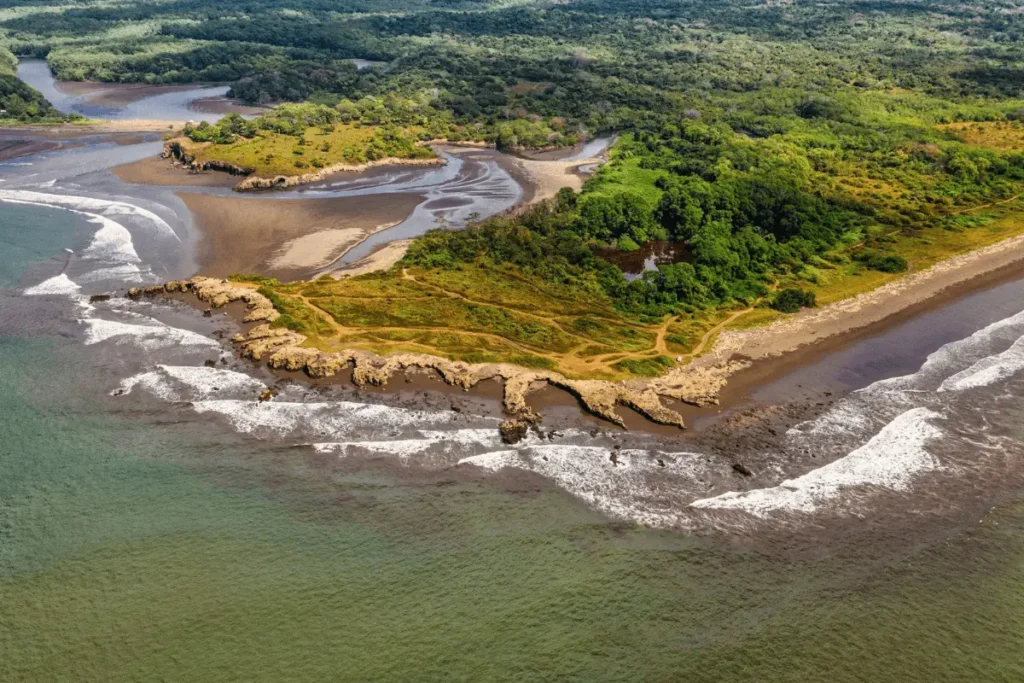
The best time to visit Costa Rica is December to April if you want the driest weather, and May to November if you want the country to be greener and quieter. One half of the year gives you dependable sun. The other gives you clear mornings, afternoon rain and rivers running full.
After that, it’s about where you want to be while it’s happening. The heaviest Pacific rain falls in September and October, which is exactly when the Caribbean side dries out and turns sunny. The humpbacks that show up in August are in the water off Uvita, twenty minutes from Oxygen Jungle Villas by boat. Turtles nest on both coasts, on different sand, in different months.
Our concierge team plans the itinerary around the month you’re traveling, so your days are built around what’s happening while you’re here.
Here’s a glimpse of some of our luxury properties, where you can base yourself and experience the wonders of Costa Rica.
Oxygen Jungle Villas – twelve adults-only villas in the rainforest above Uvita, home of the Div Shum River Spa.
Amarena Canvas Beach Hotel – canvas villas on the sand at Playa Hermosa, each with its own pool, a national wildlife refuge directly in front.
Corcovado Wilderness Lodge – on the edge of the Osa Peninsula, reached only by boat, incredible wildlife every month.
Ojochal Gardens – spacious luxury villas a short walk from Ojochal’s best restaurants, with the Ojochal Racquet Club on the property.
What’s the difference between dry season and green season?
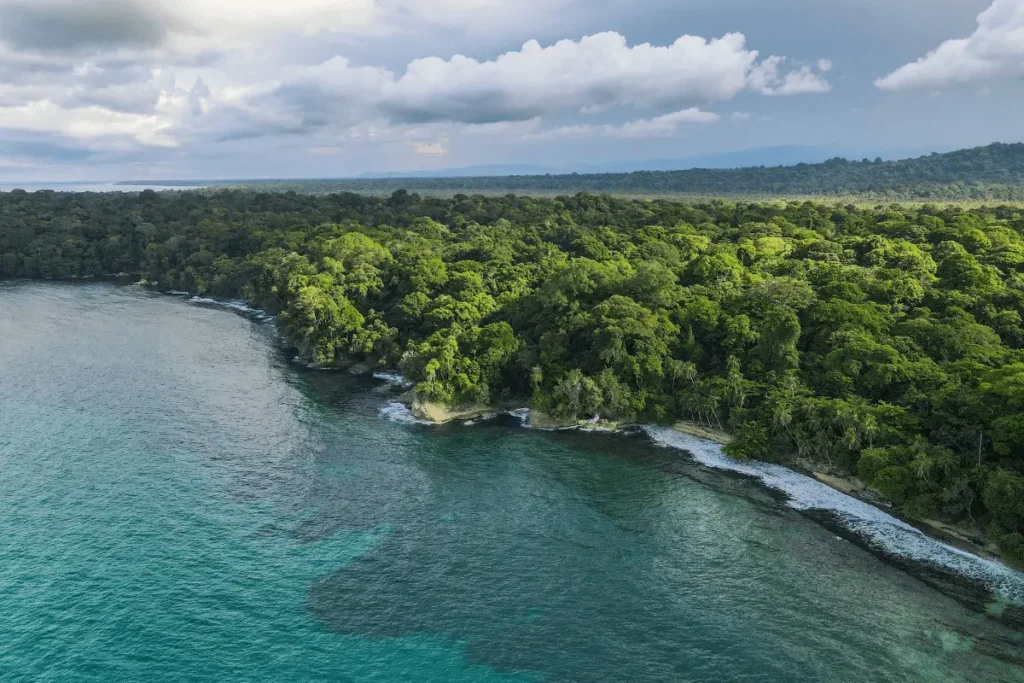
The difference between the dry season and the green season is when the rain falls and how much of it there is. On the Pacific side the rain arrives in early May and eases through November, with November counting as a transition month. Most green-season days start clear, cloud up in the afternoon, and there’s a break in the middle of the year that locals call the veranillo, the little summer.
A week of rain icons on your weather app might look like a washout. On the ground it usually means you’ll be watching a warm afternoon downpour from a dry chair with a drink in your hand.
The Caribbean coast keeps its own calendar entirely. Rain falls there every month, carried in on the trade winds, and Puerto Limón’s wettest month is December, at about 445 mm. Its driest weeks land in September and October, exactly when the Pacific is at its wettest.
Elevation shifts things as much as the month does. The coast runs 75 to 87F while the Central Valley sits at 60 to 75F, and the cloud forests above Monteverde are cooler and wetter again. Costa Rica’s driest corner is the Nicoya Peninsula and Guanacaste in the northwest.
Manuel Antonio sits on the central Pacific, Dominical and Uvita on Costa Rica’s Southern Pacific, and the Osa Peninsula stays green rainforest in all twelve months.
One thing we don’t recommend: letting a rainy-season warning you read online discourage you from traveling to Costa Rica during the green season.
| Dry season (December to April) | Green season (May to November) | |
|---|---|---|
| Rain on the Pacific | Little to none most days | Clear mornings, showers most afternoons |
| The forest | Drier trails and firmer back roads | Full green, rivers and waterfalls at their highest |
| Whales | You may see northern humpbacks, December to March | You may see southern humpbacks, July to mid-November |
| Turtles | Smaller nesting events | Peak nesting on both coasts |
| Company on the trail | Busiest time of the year | Fewer crowds, quieter roads |
| The Caribbean side | Wet, with a drier spell in February and March | Driest in September and October |
| Where we’d base you | Amarena for beach days, Corcovado for the Osa | Oxygen for the jungle and the spa, Corcovado for wildlife |
What is each month in Costa Rica actually like?
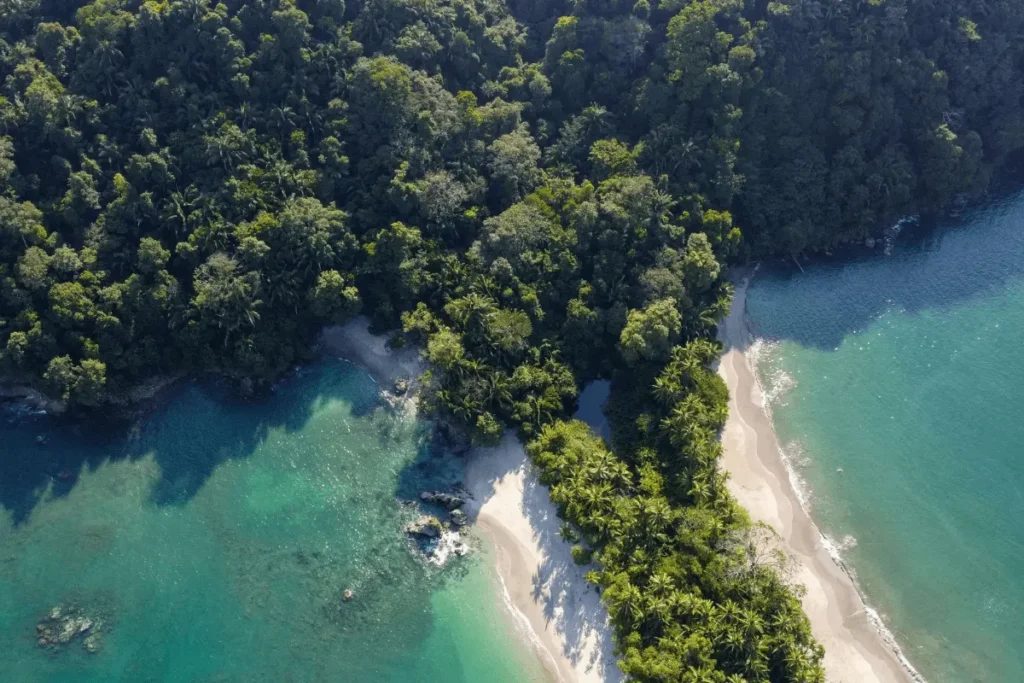
Here’s an overview of what each month in Costa Rica is like so you can have a better idea of what to expect during your trip here:
January in Costa Rica
January is dry-season weather at its most dependable on the Pacific coast. Humpbacks from the northern migration are still offshore. If your dates are fixed and you want the safest bet on the weather, this is your month.
February in Costa Rica
February is dry and hot, with wonderful sunsets and dependable weather for all your Costa Rica excursions. February fills up early, so plan your dates in advance.
March in Costa Rica
March runs warm and dry to the end of the season, and on the Caribbean side the sky fills with birds. Spring break weeks land here too, and that’s the one thing to book around.
April in Costa Rica
April holds the dry season through most of the month, with the first afternoon clouds building over the mountains toward the end of it. Easter week is a national holiday and Costa Ricans have the week off, so the beaches fill with families. Come in April and you get the last of the dry weather and the first of the green in the same trip.
May in Costa Rica
May is when the rain returns, mostly late in the day. It’s the gentlest way into the green season there is. The rainforest turns over almost in front of you, the waterfalls start running again, and the mornings are still yours. If you’ve only ever seen Costa Rica in the dry season, May is the month that will surprise you.
June in Costa Rica
June opens the turtle calendar on the other coast. You may see green turtles nesting in Tortuguero National Park from June through November, on a black sand beach that draws the largest nesting population of the species in the Atlantic. Rivers are full, trails are quiet, and the jungle is about as loud as it gets.
July in Costa Rica
July brings the whales back from the southern hemisphere, and the mid-month break in the rain gives you a run of clear mornings to go looking for them. The rainforest has come back to full green by now. Whales before lunch and a waterfall after it is a very good day.
August in Costa Rica
August is the heart of the southern humpback season along the Pacific coast. Mothers with calves come close to shore, and you may see a breach from the deck before you’ve finished breakfast. A beach morning and a boat afternoon on the same day is how we’d build it.
September in Costa Rica
September is one of the wettest months on the Pacific and the sunniest on the Caribbean, where the rain eases off for a few weeks. It’s also the biggest turtle month in the country. The largest arribadas at Ostional fall in September and October, when up to 500,000 olive ridleys come ashore at once. The whales are still here on the Pacific side, and the rain mostly waits until the afternoon.
October in Costa Rica
October is the last full month of the rains along the Pacific and the driest stretch on the Caribbean. Rivers are at their loudest, the waterfalls are at their fullest, and there’s room on every road. Green turtles are still nesting at Tortuguero. It’s the quiet end of the green season and one of the best months to be out in it.
November in Costa Rica
November is a transition month on the Costa Rican calendar, and it’s the month we recommend most often (if you make us pick just one, this is it). The rain thins out week by week, the forest still carries six months of green, and the dry-season traffic has yet to arrive. Dry-season light with green-season quiet.
December in Costa Rica
December is when the dry season comes back to the Pacific. The Boruca dance the Diablitos again from December 30, the northern humpbacks start to appear offshore, and the country tips into its brightest few weeks of the year. It’s the month everyone else wants too, so book your dates early.
When is whale watching season in Costa Rica?

Whale watching season in Costa Rica happens twice in the same year, because two different populations come here to breed. Humpbacks that feed off the northwest coast of the United States arrive from December to March. Humpbacks that feed off the Antarctic Peninsula and southern Chile arrive from July to mid-November, on the longest recorded migration of the species.
When should you visit Costa Rica to avoid crowds?
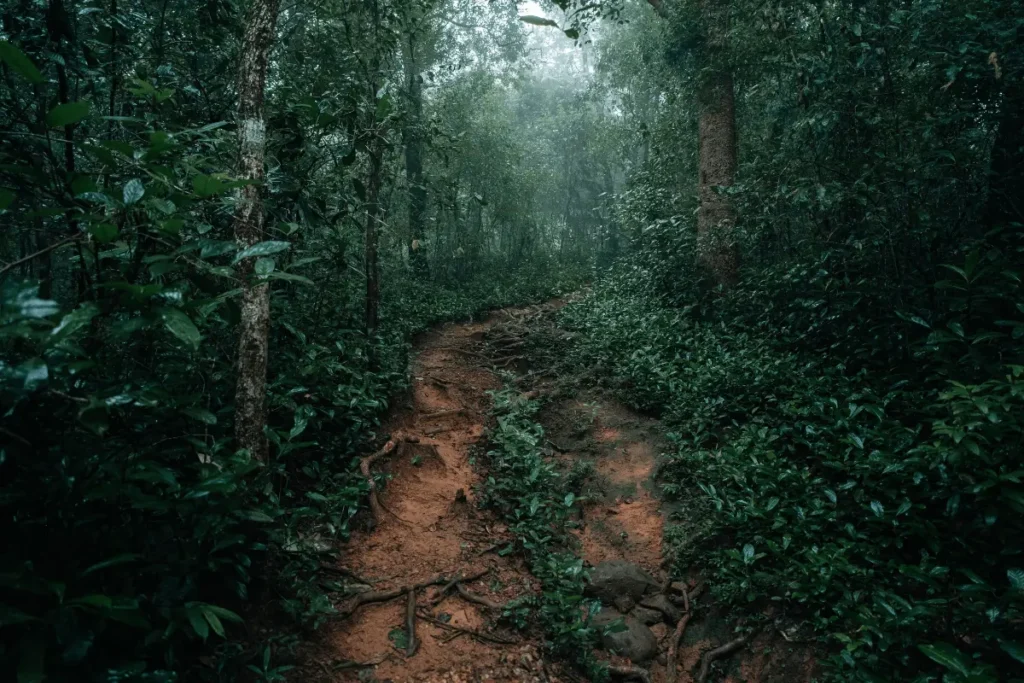
Visit Costa Rica in May, June, September or October to avoid the crowds. National arrival figures put those four well below the January peak, and on the ground that means space on the trails, space on the boats and space at the entrances to the national parks. Our guides see more on a quiet morning, and so do you.
A spa appointment, a boat and a dinner table on the same day is an easy thing to arrange at that time of year, and it’s the kind of day our team will happily build for you when you plan your stay.
Let us plan your trip
Tell us the two weeks you can get away and we’ll build something exhilarating inside them. Embark on a journey where every detail is crafted to perfection as The Costa Rica Collection concierge team dedicates themselves to curating your Costa Rica journey.
Frequently Asked Questions
How far in advance should you book a trip to Costa Rica?
Book December to April as early as you can, and Christmas and New Year earlier still, because those weeks fill months ahead. Come to us early and we’ll get your villa and your guides booked while there’s still choice.
Which airport should you fly into for Costa Rica’s Pacific coast?
Fly into San José (SJO) for the Southern Pacific and the Osa Peninsula. Liberia (LIR) serves Guanacaste in the northwest and adds a long drive if you’re heading south. We arrange the transfer from either one.
Do you need a 4WD in Costa Rica?
It depends where you’re going. The road up to Oxygen Jungle Villas needs 4WD, you drive straight up to Ojochal Gardens, and Corcovado Wilderness Lodge is reached only by boat. We arrange every transfer, so most of our guests never drive at all.
When can you see turtles in Tortuguero National Park?
You may see turtles in Tortuguero National Park from June through November, when green turtles nest along the beach there. The night walks are guided and there’s a limited number of people out at a time. Sightings are never guaranteed.